



Climate Change and Fashion
As climate change intensifies, the fashion industry is shifting towards sustainability. The connection between climate change and fashion has led to a growing focus on eco-friendly materials and ethical production. Brands are now embracing sustainability to reduce their environmental impact and meet consumer demand for responsible fashion.
The link between climate change and fashion is reshaping the industry. With fashion contributing to environmental degradation, brands are moving away from fast fashion towards sustainable practices. This shift reflects a growing need for eco-conscious solutions in response to climate change.
The Environmental Impact of the Fashion Industry
The environmental impact of the fashion industry is significant, contributing to high levels of pollution, water usage, and waste. Fast fashion, in particular, drives overproduction, resulting in massive textile waste that often ends up in landfills. Additionally, the industry’s reliance on synthetic fibers, which are made from fossil fuels, further accelerates global warming. The connection between climate change and fashion is evident as rising emissions from production processes continue to harm ecosystems and deplete natural resources.
Fast Fashion and Carbon Emissions
Fast fashion has a significant role in the rising carbon emissions linked to the fashion industry. The rapid production cycles and low-cost, mass-produced clothing demand large amounts of energy, much of which comes from non-renewable sources like coal and oil. As a result, the fashion industry accounts for around 10% of global carbon emissions. The direct link between climate change and fashion is evident in how fast fashion’s reliance on fossil fuels contributes to global warming, making it a pressing concern for both consumers and brands seeking to reduce their carbon footprint.
Water Usage and Pollution Affecting Climate Change and Fashion
The fashion industry is notorious for its heavy water consumption and pollution. From growing water-intensive cotton to dyeing fabrics, vast amounts of freshwater are used throughout the production process. Additionally, toxic chemicals used in dyeing and processing often contaminate water sources, leading to severe environmental damage. This connection between climate change and fashion is critical, as water scarcity and pollution are becoming more severe due to climate-related disruptions, pushing the need for sustainable alternatives in water use.
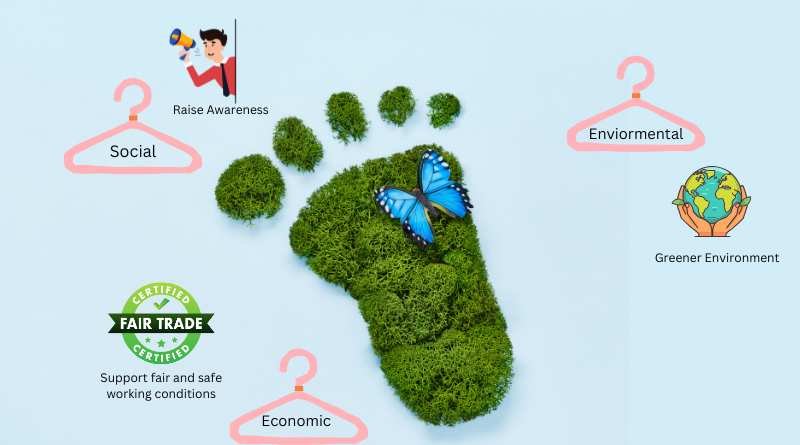
How Climate Change is Affecting Fashion
Climate change is significantly impacting the fashion industry, altering everything from design processes to supply chain logistics. As extreme weather events become more frequent, producers face challenges such as unpredictable harvests and disrupted transportation routes. These shifts in climate affect the availability and cost of raw materials, forcing brands to adapt their sourcing strategies. Additionally, changing consumer preferences driven by awareness of prompting designers to prioritize sustainable practices and innovative materials. As the industry grapples with these changes, it must find ways to balance creativity with environmental responsibility to ensure a viable future
Changing Seasons and Production Cycles
Climate change is altering traditional seasons, which has a profound effect on the fashion industry’s production cycles. Designers rely on predictable seasonal patterns to plan collections, but shifting weather patterns and unexpected climatic events can lead to delays and mismatches in production timelines. As these changes become more pronounced, the connection between necessitates a reevaluation of how brands approach their seasonal offerings. This unpredictability not only affects sales but also raises questions about sustainability as brands may resort to rapid production to meet fluctuating demands.
Impact on Raw Material Availability
The availability of raw materials is increasingly threatened by climate change, directly impacting the fashion industry. As weather patterns shift and extreme conditions become more common, crops such as cotton and wool face challenges like droughts, floods, and pest invasions. This instability in agricultural production creates fluctuations in material costs and availability. As brands strive for sustainability, they must adapt their sourcing strategies to account for these changes, leading to a greater emphasis on alternative materials and sustainable practices.
Supply Chain Disruptions
Supply chain disruptions caused by climate change are becoming a critical concern for the fashion industry. Natural disasters, such as hurricanes and floods, can halt production and delay shipments, leading to significant financial losses and inventory challenges. Additionally, the increasing frequency of these events forces brands to rethink their logistics and supply chain management. The relationship between climate change and fashion underscores the urgency for companies to build more resilient supply chains that can withstand environmental shocks while also prioritizing sustainability and ethical sourcing to meet consumer expectations.
Conclusion
In conclusion, the intersection of climate change and fashion presents both challenges and opportunities for the industry. As environmental impacts become increasingly evident, brands must prioritize sustainability and adapt to changing conditions in raw material availability, production cycles, and supply chain logistics. Embracing eco-friendly practices and innovative solutions will not only help mitigate the fashion industry’s environmental footprint but also meet the growing consumer demand for responsible fashion. By fostering a culture of sustainability, the fashion industry can pave the way for a more resilient and ethical future.
The Future of Climate Change and Fashion
The future of climate change and fashion is poised for transformation as the industry increasingly recognizes its responsibility to combat environmental issues. As consumers become more eco-conscious, brands are expected to innovate and adopt sustainable practices, from utilizing organic materials to implementing circular fashion models that promote recycling and reusability. Advances in technology, such as eco-friendly production methods and digital fashion, will also play a crucial role in minimizing the industry’s carbon footprint. The ongoing dialogue around climate change will continue to shape the fashion landscape, pushing for greater accountability and transparency in all aspects of production.
The Road Ahead for a Sustainable Fashion Industry
The road ahead for a sustainable fashion industry requires a collective effort from brands, consumers, and policymakers alike. To effectively address the challenges posed by climate change and fashion, the industry must prioritize collaboration, sharing best practices, and creating standards that promote sustainability. Educational initiatives can empower consumers to make informed choices, while legislation can encourage companies to adopt more environmentally friendly practices. By fostering a culture of sustainability and innovation, the fashion industry can evolve into a sector that not only respects the planet but also thrives economically while meeting the demands of a conscious consumer base.
About author



2 comments
免费资源下载
真免费!价值万元资源,不要一分钱,网址:https://www.53278.xyz/
益群网
益群网:终身分红,逆向推荐,不拉下线,也有钱赚!尖端资源,价值百万,一网打尽,瞬间拥有!多重收益,五五倍增,八级提成,后劲无穷!网址:1199.pw